

toughened glass price 10mm
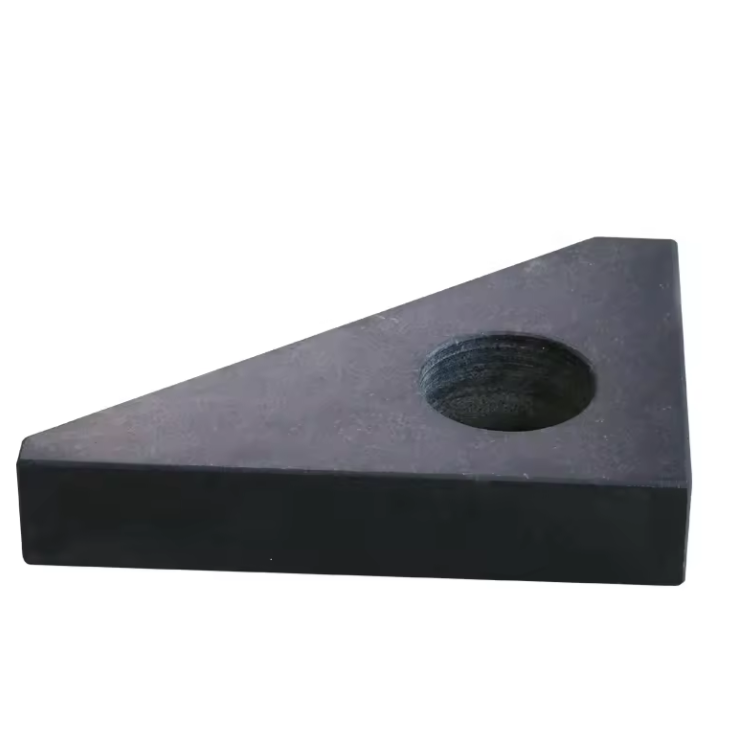
Using V Blocks An Essential Tool for Precision and Accuracy in Machining In the world of machining and manufacturing, precision is paramount. To achieve the exact specifications required for components, machinists rely on a variety of tools and techniques. One of these indispensable tools is the V block. This simple yet highly effective device serves as a fixture for holding workpieces, ensuring that they are positioned securely and accurately during various machining processes. This article explores the uses, advantages, and best practices associated with V blocks in machining environments. What are V Blocks? V blocks are precision-milled blocks, typically made of metal, that feature a V-shaped groove on one or more sides. This design allows them to hold cylindrical workpieces, such as shafts or rods, firmly in place. V blocks come in various sizes, and they can be purchased individually or as part of a larger set. They are often used in conjunction with clamps and other equipment to create a stable workstation. Applications of V Blocks V blocks are used in a wide range of applications across different sectors of machining and manufacturing. Here are some common uses 1. Holding Cylindrical Workpieces The primary function of a V block is to securely hold cylindrical objects. By resting a workpiece in the V-shaped groove, it prevents movement during processing, allowing for accurate machining. 2. Drilling and Tapping In machining operations where drilling or tapping is required, V blocks provide stability for the workpiece, ensuring that the drill bit or tap remains aligned with the desired entry point. 3. Measuring and Inspection V blocks are also valuable in measurement and inspection processes. For example, when using a caliper or gauge to check the dimensions of a cylindrical part, a V block provides a steady surface that enhances accuracy. 4. Indexing Workpieces For operations that require flipping or rotating a workpiece, V blocks can be used to index positions, allowing for repeatable set-ups without the need for re-alignment. Advantages of Using V Blocks The benefits of utilizing V blocks in machining operations extend beyond just their ability to hold components. Here are some key advantages using v blocks 1. Improved Accuracy By securely holding workpieces, V blocks reduce the likelihood of errors related to movement during machining. This contributes to higher precision and quality in the final product. 2. Ease of Use V blocks are simple tools that can be easily positioned and adjusted. Their design promotes efficiency, allowing machinists to focus on the task at hand rather than wrestling with poorly secured workpieces. 3. Versatile Applications V blocks can be used with a variety of machines, including drill presses, lathes, and milling machines. Their versatility makes them a valuable addition to any workshop. 4. Cost-Effective Solution Compared to other holding fixtures, V blocks are relatively inexpensive. Their cost-effectiveness does not compromise performance, making them a wise investment for any machining operation. Best Practices for Using V Blocks To maximize the effectiveness of V blocks, consider these best practices 1. Choose the Right Size Select a V block that fits your workpiece size. Using an appropriately sized block ensures optimal stability and support. 2. Secure the Workpiece Always use appropriate clamps or straps to secure the workpiece in place. This prevents any movement during machining, safeguarding against inaccuracies. 3. Regular Maintenance Keep V blocks clean and free of debris. Regularly check for wear and tear to ensure they continue to perform effectively. 4. Use With Other Tools Combine V blocks with other holding fixtures, like vises and jigs, for more complex machining tasks. This enhances stability and accuracy further. In conclusion, V blocks are a fundamental component in the toolset of any machinist. Their ability to hold cylindrical workpieces securely while providing the precision necessary for high-quality machining makes them invaluable. By understanding their applications and adhering to best practices, machinists can significantly enhance their workflow and achieve superior results in their machining tasks.
about
toughened glass price 10mm
Understanding Pressure Gauge Thread Types A Comprehensive Guide Pressure gauges are essential instruments used in various industries to measure and indicate the pressure of gases or liquids within a system. One critical aspect of pressure gauges that technicians and engineers must consider is the type of thread used for connecting the gauge to the pressure source. Using the correct thread type ensures a proper seal and prevents leaks, which can lead to inaccurate readings or hazardous situations. In this article, we will explore the different types of pressure gauge thread standards, their applications, and some best practices for installation. Types of Pressure Gauge Threads Pressure gauge threads can be classified into several categories based on their design, size, and application. The most common thread types include 1. NPT (National Pipe Taper) Threads NPT threads are the most widely used thread type in the United States for pressure gauges and piping systems. They feature a tapered design that allows for a tight seal when tightened. NPT threads are available in various sizes and are often found in both liquid and gas applications. The taper ensures that as the fitting is screwed in, the threads compress, creating a seal that minimizes the risk of leaks. 2. BSP (British Standard Pipe) Threads BSP threads are standard in Europe and many other countries. There are two main types BSPP (British Standard Pipe Parallel) and BSPT (British Standard Pipe Taper). BSPP threads are parallel and require the use of sealing compounds or O-rings to prevent leaks, while BSPT threads follow a tapering design similar to NPT. Choosing the right BSP thread is crucial for compatibility with existing piping systems. 3. ISO Threads The International Organization for Standardization (ISO) provides a range of thread standards. These threads are commonly used in European applications and are designed to create a robust connection to various pressure gauges. ISO threads can sometimes be confused with NPT or BSP threads, so ensuring compatibility is essential when selecting fittings. 4. Metric Threads Metric threads are specified based on the diameter and pitch of the thread, making them easy to identify in many components. These threads are commonly found in European equipment and machinery, and they sometimes feature unique sealing methods to ensure a leak-proof connection. 5. Custom Threads In some cases, pressure gauges may use custom-designed threads specific to a manufacturer or application. These threads can be designed to provide specific performance characteristics and may not fit into any standard category. Selecting the Right Thread Type pressure gauge thread types When selecting the right thread type for a pressure gauge, engineers must consider several factors. First, they should assess the compatibility of the thread type with the existing piping system. Using mismatched threads can lead to leaks or mechanical failure. Second, the application environment should be considered, including factors such as temperature, pressure, and the type of substance being measured (corrosive or non-corrosive). Lastly, it is vital to consult manufacturer specifications and recommendations to ensure that all components will work harmoniously together. Best Practices for Installation When installing pressure gauges, following best practices is essential for a secure and leak-free connection 1. Clean the Threads Ensure that both the gauge and the mounting surface are clean and free of debris. Dirt or debris can interfere with the sealing process. 2. Use Sealants Wisely For threaded connections, use appropriate sealing compounds or tape, such as PTFE tape, but avoid overusing them as this can lead to excess buildup and hinder a proper seal. 3. Torque Specifications Adhere to the manufacturer's recommended torque specifications for tightening the pressure gauge. Over-tightening can damage the threads or gauge itself, while under-tightening can result in leaks. 4. Regular Inspections Implement a regular maintenance schedule to inspect gauge connections and ensure there are no signs of wear, corrosion, or leaks. Conclusion Understanding pressure gauge thread types is crucial for ensuring the accuracy and safety of pressure measurement systems. By selecting the appropriate thread type and following installation best practices, technicians can prevent leaks and maintain the integrity of their systems. Whether working with NPT, BSP, ISO, or custom threads, knowledge of these standards is essential for anyone involved in pressure measurement and control.
-

High quality industrial productsagement

High quality industrial products
View Details -

Meet the diverse needs of customers

Meet the diverse needs of customers
View Details -

Strict quality control

Strict quality control
View Details -

Top raw materials

Top raw materials
View Details -

Trusted supplier

Trusted supplier
View Details
Our application
news and information
which way is open on a water valve
Understanding Water Valve Orientation Which Way is Open? Water valves are crucial components in plum
What are the Main Application Areas of Butterfly Valves
Butterfly valves , as an important industrial valve, have a wide and diverse range of applications.
Wholesale Supply for Valves and Fittings Solutions in Industrial Applications
The Dynamics of Valve Wholesale A Comprehensive Overview In the industrial sector, valves play a cru
 English